Destination Guide
Patagonia
Wild brown trout, endless horizons, and the fishing trip of a lifetime
Sea-Run & Resident Browns Best: Dec–March Trophy Rainbows at Strobel
Wild brown trout, endless horizons, and the fishing trip of a lifetime
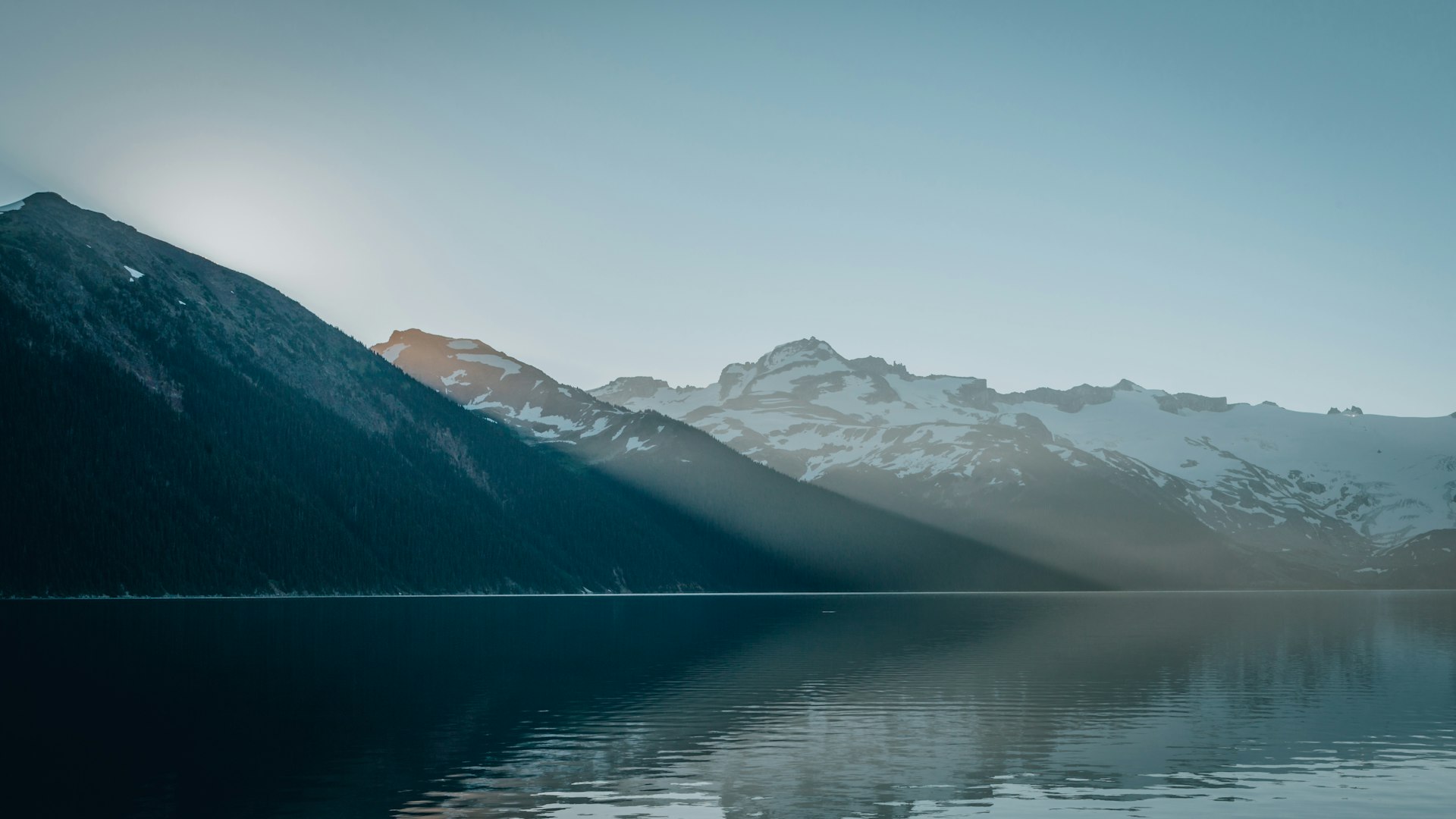
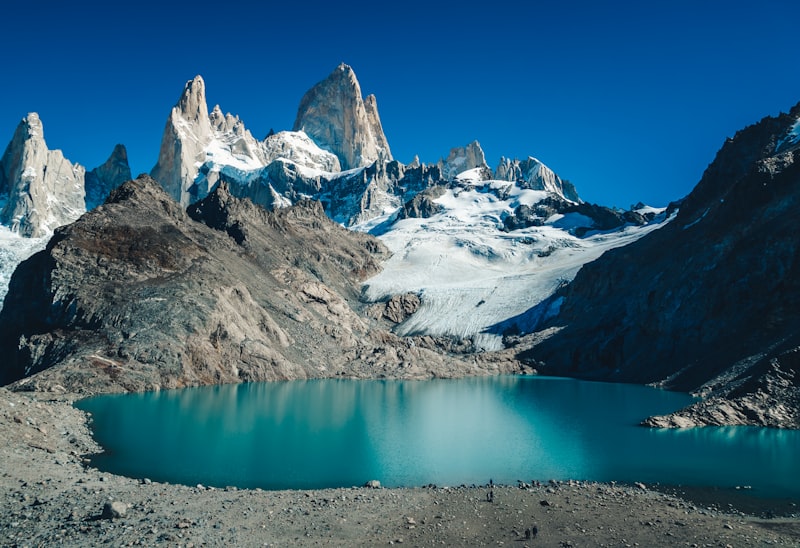
Patagonia occupies the southern third of South America — a vast, sparsely populated landscape of windswept steppe, glacier-carved lakes, and snow-capped Andean peaks that stretches across both Argentina and Chile. For fly anglers, it represents something increasingly rare: trout fishing in genuinely wild water, far from roads and crowds, where the fish have never seen hatchery cement.
The trout here are all introduced — brought from Europe and North America in the early 1900s — but they have thrived in Patagonia's cold, unpolluted rivers to a degree that would astonish their ancestors. The region's combination of nutrient-rich waters, minimal fishing pressure, and intact ecosystems produces fish that grow large, fight hard, and behave like truly wild animals.
The range of fishing is remarkable. In the far south, Tierra del Fuego's Rio Grande hosts the world's greatest run of sea-run brown trout — ocean-migrating fish that return to freshwater weighing 8 to 20 pounds. In the central steppe, Lago Strobel grows rainbow trout that routinely exceed 15 pounds on a diet of freshwater shrimp. And in the northern lake district, crystal-clear freestone rivers offer classic dry fly fishing for resident browns and rainbows in some of the most beautiful scenery on earth.
Patagonia demands commitment. The flights are long, the wind is relentless, and the weather shifts without warning. But for anglers willing to make the journey, the payoff is trout fishing on a scale and in a setting that has no equivalent anywhere else on the planet.
Introduced trout that have become Patagonia's greatest natural resource
The crown jewel of Patagonian fly fishing. These are brown trout that migrate from freshwater rivers to the Atlantic Ocean, where they spend 1–3 years feeding on baitfish, squid, and crustaceans before returning to spawn. The oceanic feeding phase transforms them — they return as thick, powerful, chrome-bright fish that fight with an intensity far beyond their freshwater cousins. Sea-runs exhibit the classic brown trout wariness and selectivity, but with the power of a fish twice their size. Landing a double-digit sea-run brown on a swung fly is considered one of fly fishing's ultimate achievements.
Found throughout Patagonia's rivers and lakes, resident browns are descendants of fish introduced from Europe in the early 1900s. In the nutrient-rich waters of Patagonia, they grow large and wild. River fish tend to be butter-yellow with vivid red and black spots, while lake-dwelling browns develop a more silver coloration. They are selective feeders that respond well to nymphs, streamers, and well-presented dry flies, particularly during the evening rise.
Introduced from North American stock, rainbow trout have flourished in Patagonia's cold, clean waters. They are found in both rivers and lakes throughout the region, though the most exceptional rainbow fishery is Lago Strobel, where the alkaline water and abundant scud populations produce fish of extraordinary size. In river systems, Patagonian rainbows fight with the explosive energy typical of their species — expect aerial displays and powerful runs into the backing.
Originally from eastern North America, brook trout have established wild populations in many of Patagonia's smaller, higher-elevation streams. While they don't reach the sizes of browns or rainbows, Patagonian brookies are strikingly beautiful — vivid orange bellies, blue-haloed spots, and deep green backs that intensify during the autumn spawn. They are eager dry fly targets and provide a welcome bonus on backcountry fishing days.
Patagonia's most renowned rivers and waters
Widely regarded as the finest sea-run brown trout river on earth. The Rio Grande flows across the windswept plains of Tierra del Fuego before emptying into the Atlantic, and each austral summer it receives a run of migratory brown trout that have spent years feeding in the ocean. These sea-runs average 8–12 pounds, with fish over 20 pounds landed every season. The river is big water — wide gravel runs, deep pools, and long glides that lend themselves to two-handed (spey) casting. The fishing is primarily swing-based, with large wet flies and leeches stripped through the current.
Best for: Sea-run brown trout, spey casting, trophy fish
A smaller and more intimate river than the Rio Grande, the Gallegos runs through the steppe of southern Santa Cruz province. It receives its own run of sea-run browns, though typically in lower numbers than its more famous neighbor. What the Gallegos lacks in volume it makes up for in character — the river is narrow enough to single-hand cast across, and its clear water allows sight-fishing to individual sea-runs as they hold in pools and along undercut banks. Fish average 6–10 pounds, with occasional specimens pushing well beyond.
Best for: Sight fishing, single-hand casting, dry flies
A remote, wind-battered lake on the Patagonian steppe that has become legendary for producing rainbow trout of almost unbelievable proportions. Fed by spring creeks rich in freshwater shrimp (scuds), Lago Strobel grows rainbows that routinely reach 10–15 pounds, with fish over 20 pounds caught regularly. The lake sits at approximately 3,000 feet elevation in a volcanic landscape devoid of trees. Fishing is done by wading the shoreline or from small boats, casting large streamers and nymphs. Access is extremely limited and controlled.
Best for: Trophy rainbow trout, stillwater fishing
The northern Patagonian lake district, centered around the town of Esquel and Los Alerces National Park, offers a completely different fishing experience from the south. Crystal-clear freestone rivers like the Rivadavia, Arrayanes, and Futaleufú wind through ancient alerce forests and past snow-capped Andean peaks. Resident populations of brown and rainbow trout thrive in these streams, averaging 14–18 inches with larger fish in deeper pools. The dry fly fishing here is exceptional — attractor patterns like Royal Wulffs and stimulators produce aggressive strikes in the pocket water.
Best for: Dry fly fishing, wading, scenery, backcountry
Wind is the defining characteristic of Patagonian fishing. It blows every day, often 20–40 mph, and it will test even experienced casters. Practice your double haul before you go, and bring a 7-weight rod for the sea-runs — these fish are significantly more powerful than any freshwater brown you've encountered. February offers an excellent balance of peak fishing, manageable weather, and lower crowds.
Get destination guides, seasonal reports, and gear recommendations delivered to your inbox.
No spam, unsubscribe anytime